
Peptide 101: What Every Woman 45+ Needs to Know
Personalizing Your GLP-1 (And Where Gut Health Fits In)
You’ve started GLP-1 / GIP therapy. Food noise is quieter. Weight is moving. Now you’re hearing about “personalization”:
“Should I add glycine? L-carnitine? Both? Neither?”
Let’s simplify.
Glycine: The Calming, Sleep-Supportive Add-On
Glycine is a single amino acid that:
- Supports deep sleep by lowering core body temperature and activating your parasympathetic (rest-and-digest) system
- Helps reduce inflammation
- Is a major component of collagen (skin, joints, connective tissue)
- Can support healthier blood sugar and cravings
Who tends to love glycine:
- Women with poor sleep, racing minds at night, or frequent wake-ups
- Those with a lot of generalized inflammation and soreness
- People at the start of their GLP-1 journey who are inflamed, exhausted, and trying to stabilize blood sugar
L-Carnitine: The Energy & Fat-Utilization Support
L-carnitine:
- Helps shuttle fatty acids into mitochondria to be burned as fuel
- Supports energy production (ATP)
- May reduce delayed onset ...
Muscle Is the Currency of Aging: Using GLP-1s, Protein, Peptides & Gut Health to Protect It
You’ve probably heard it:
“Use it or lose it.”
When it comes to aging well, muscle is the currency. The more you have – and the longer you keep it – the better you move, recover, and live.
But here’s the catch: GLP-1s can help you lose fat… and muscle if you’re not careful.
Let’s not do that.
Why Muscle Matters More Than the Scale
Muscle:
- Stabilizes joints and reduces injury
- Keeps resting metabolic rate higher
- Improves insulin sensitivity and blood sugar control
- Supports balance and mobility as you age
For athletes and high-achieving women, muscle is what lets you:
- Run races without falling apart
- Carry groceries and kids without hurting your back
- Get off the floor easily at 50
You don’t want to be “smaller.” You want to be stronger.
GLP-1s + Muscle: The Risk and the Fix
GLP-1s can:
- Suppress appetite
- Reduce overall calorie intake
- Lead to fast weight loss
If you’re under-eating protein and not lifting, your body will burn some muscle along with fat. That’...
Why Menopause Suddenly Hurts More – And How GLP-1s + Gut Health Can Calm the Fire
You didn’t imagine it.
One day you’re cruising through life, juggling work, kids, and workouts… and then somewhere in your 40s:
- Your joints ache
- Your sleep is trash
- Your belly feels puffy and inflamed
- Weight loss feels like pushing a boulder uphill
What changed? Inflammation.
Estrogen Drops, Inflammation Pops
During menopause, estrogen levels can drop by 90–95% over roughly a year. Estrogen isn’t just a “female hormone” – it’s also anti-inflammatory.
When estrogen falls:
- Inflammatory cytokines (like IL-6, TNF-α) go up
- Joint and muscle pain often increase
- Recovery from training gets slower
- Gut barrier integrity can worsen, allowing more inflammatory molecules into circulation
So yes, that “inflamed, puffy, sore” feeling is real.
How GLP-1s Help Turn Down the Heat
GLP-1 peptides don’t just help with appetite. They also:
- Lower inflammatory markers
- Improve blood sugar control
- Support liver and kidney function
- Improve brain inflammation and may reduce risk or p ...
Are GLP-1 Medications “Cheating”? Or Are They the Training Wheels Your Metabolism Needed?
If you’re a competitive, high-achieving woman, you’ve probably had this thought:
“If I use a GLP-1 medication, am I cheating?”
Let’s clear that up. Fast.
GLP-1 receptor agonists (like Semaglutide and Tirzepatide) are not alien drugs dropped from a pharmaceutical spaceship. GLP-1 is a peptide hormone your gut already produces.
Think of them as training wheels, not a motorized bike. They don’t do the pedaling for you. They help you stay upright long enough to build new skills: better food choices, better routines, less food noise.
What GLP-1s Actually Do (Beyond the Scale)
Yes, they help with weight loss. But the real magic is metabolic:
- Improve blood sugar control
- Lower inflammation
- Reduce risk of heart disease
- Lower neuroinflammation (supporting brain health and cognitive decline risk)
- Support kidney and liver function
Weight loss is a side effect of a healthier internal environment. That matters way more for your marathon at age 65 than your jeans size at a...
Peptides 101 — The Little Molecules Making Big Moves in Gut Health
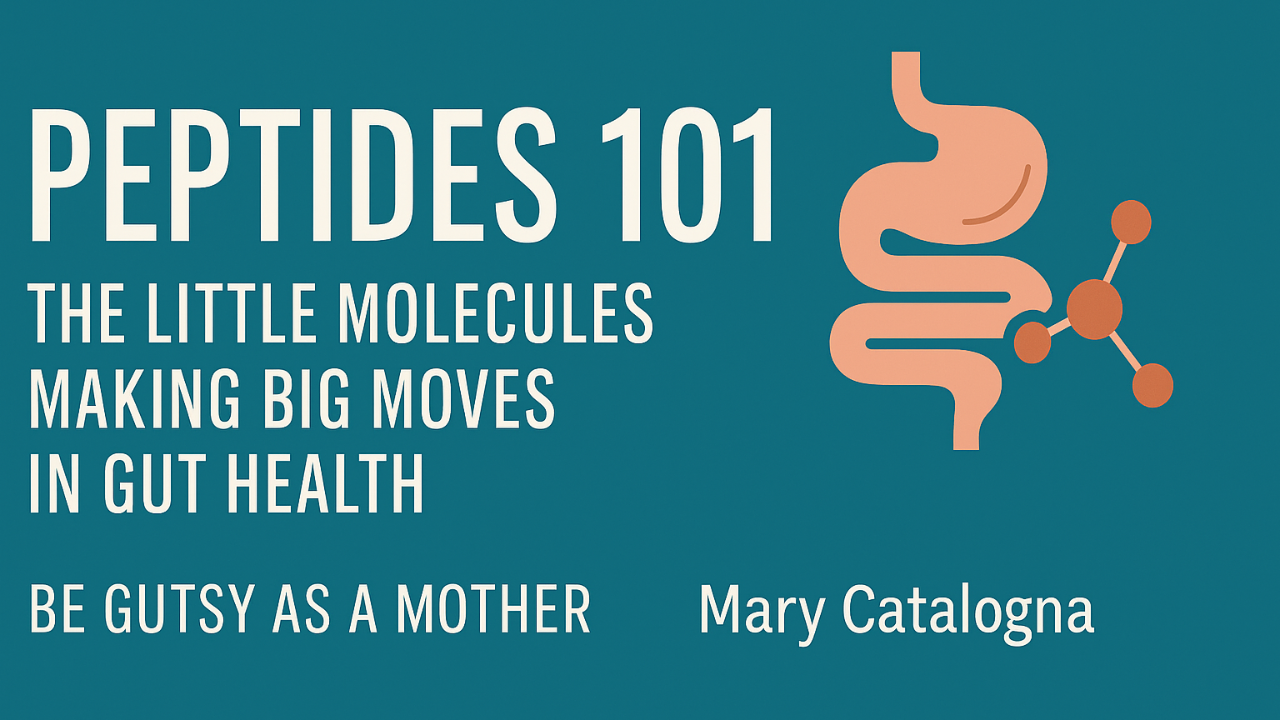
Peptides aren’t just for bodybuilders or biohackers — they’re for anyone who wants better energy, digestion, and recovery.
🔬 Peptides in Plain English
Peptides are short chains of amino acids that act like “text messages” between your cells, telling them to heal, repair, and rebuild.
When you’re stressed, inflamed, or depleted, those messages can get fuzzy — and that’s where peptide therapy can help.
💪 Why Gut Health Practitioners Love Them
Peptides like BPC-157 and TB-500 can help repair gut lining, reduce inflammation, and support neurotransmitter health — key for the gut–brain–hormone trifecta.
💥 The Gutsy Takeaway
You don’t need to be a scientist to appreciate what your body can do with the right signals.
💬 Book a free Discovery Call to explore whether peptides fit into your gut-healing plan.
Gut Health & Longevity - How to Optimize Today for Tomorrow
You don’t just want to live long — you want to feel strong, sharp, and gutsy doing it.
Turns out, the key to longevity isn’t just your workout routine or supplements… it’s your gut.
🧬 Gut Health = Life Span (and Health Span)
A healthy gut keeps inflammation low, supports hormone balance, and boosts immunity — all critical for graceful aging. Chronic gut inflammation, on the other hand, accelerates fatigue, brain fog, and overall aging.
🔁 The Longevity Loop
Your gut influences your brain, hormones, and energy production. When you care for your gut, you support every cell’s ability to repair and thrive.
🌈 Gutsy Longevity Habits
-
Eat for microbiome diversity.
-
Move daily to support digestion.
-
Manage stress like it’s a supplement.
-
Consider peptides to support gut lining and mitochondrial function.
💥 The Gutsy Takeaway
A thriving gut today is your longevity insurance policy tomorrow.
👉 Book a free Discovery Call to start building your gut-centered longevity p...
Hormones, Gut Health & Energy — The Power Trio You Can’t Ignore

You wake up, hit your workout, eat clean… yet by 2 p.m., you’re ready to faceplant into your laptop.
Here’s the deal: your hormones aren’t broken. Your gut is waving a big red flag.
🔄 The Gut–Hormone Connection
Your gut isn’t just for digestion — it’s a hormone factory. About 20% of your thyroid conversion happens in your gut, estrogen gets detoxed through the gut, and your gut bacteria even make neurotransmitters like serotonin.
When your gut’s inflamed or imbalanced, your hormones can’t do their job — leading to fatigue, mood swings, and hormonal chaos.
⚡ Energy Is a Gut Game
If your gut isn’t absorbing nutrients properly, your mitochondria (your energy powerhouses) can’t function at full capacity.
🩷 The Reset Starts Here
-
Eat color-rich, fiber-heavy meals — variety is queen.
-
Ditch the “eat less, work harder” mantra. Chronic stress wrecks your gut and hormones.
-
Explore peptide support for inflammation and hormone balance.
💥 The Gutsy Takeaway
You can’t hust...
How Your Gut Affects Your Brain (and Why That Matters for Focus)
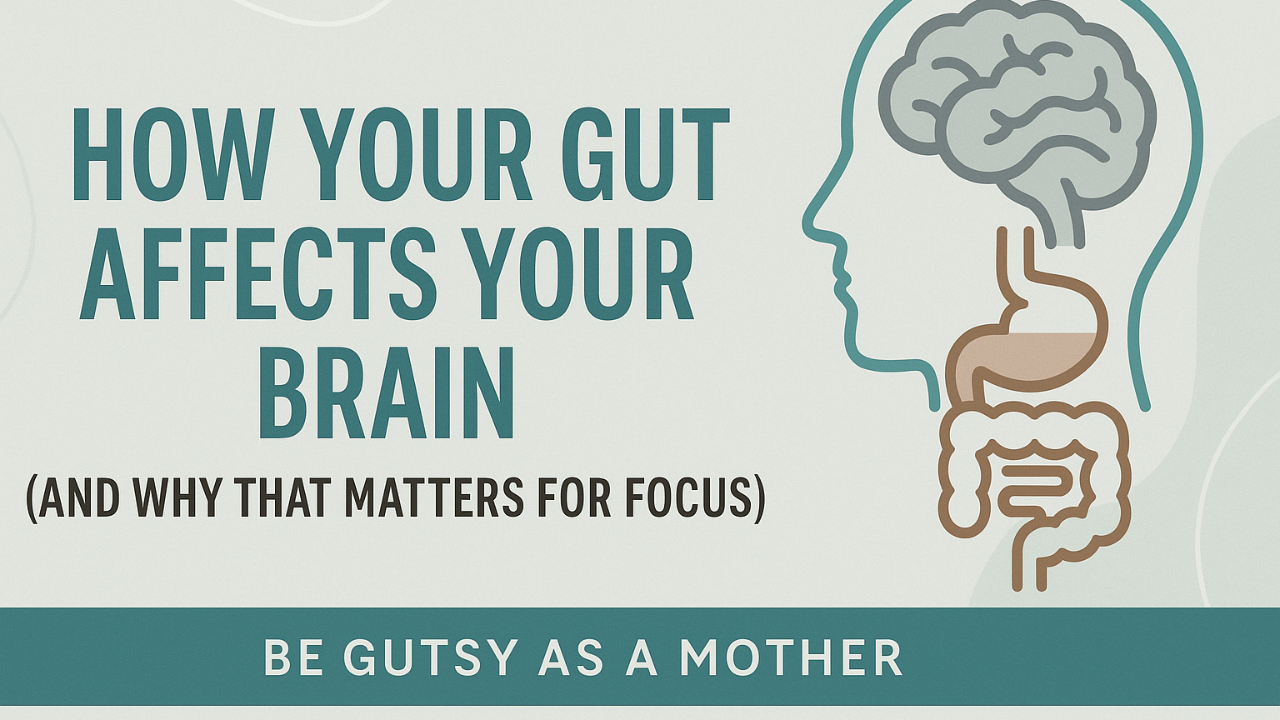
You ever sit down to crush your to-do list — only to stare blankly at your screen, brain fog thicker than your protein shake?
You’re not lazy. You’re not unmotivated. Your gut might just be calling the shots.
🧬 The Gut–Brain Hotline
Think of your gut and brain as besties constantly texting each other. Your digestive system sends signals to your brain through the vagus nerve, influencing mood, focus, and energy. When your gut is inflamed or out of balance, those messages get scrambled — and suddenly, you’re unfocused, anxious, or just off.
⚠️ When the Gut’s a Mess, the Brain Feels It
If your gut lining is compromised (aka leaky gut), toxins and undigested food particles slip into your bloodstream, creating inflammation that reaches your brain. This can lead to:
-
Brain fog
-
Low motivation
-
Mood swings
-
That 3 p.m. “I can’t even” crash
Sound familiar?
💡 The Science-y Fix: Heal the Gut, Clear the Mind
Supporting your gut isn’t just about better digestion — it’s ...
About

Mary Catalogna
Author
Mary Catalogna is a Functional Diagnostic Nutrition Practitioner, Boston Marathon and Ironman finisher, and corporate executive who specializes in performance physiology for driven women 40+. After experiencing firsthand how the strategies that worked in her 30s stopped working in her 40s, Mary shifted from pushing harder to recalibrating smarter. She now helps high-performing women restore metabolic power, rebuild hormonal resilience, and recover strategically, without guesswork, extreme dieting, or burnout. Her work is built around one belief: High-performing women don’t decline. They adjust. Be Gutsy as a Mother.

